
Last Updated: October 26, 2026
Quick Summary
The best window tint for heat rejection is a ceramic or multi-layer optical film with high infrared rejection, such as XPEL PRIME XR Plus, which claims up to 98% infrared heat rejection and 99% UV protection. Window tint heat rejection comes from film construction, not darkness, so a lighter ceramic film can outperform a dark dyed film.
- Ceramic film blocks infrared heat without interfering with phone or GPS signals.
- Compare films using TSER, IRR with its wavelength band, UVR, and VLT at the same shade.
- A film advertised as 99% heat rejection is usually quoting UV rejection, not total solar energy rejected.
- Ceramic blocks infrared heat more effectively than carbon, while carbon costs less.
- Choose a high-TSER film at a legal VLT rather than a dark film at the edge of the limit.
Table of Contents
- Why Window Tint Heat Rejection Matters More Than Darkness
- Quick Comparison: Top Window Tints for Heat Rejection
- 1. XPEL PRIME XR Plus: The Infrared Heat Rejection Leader
- 2. 3M Ceramic IR Series: Balanced Performance for Daily Drivers
- 3. LLumar IRX Series: Proven Ceramic Technology
- 4. SunTek Evolve: A Strong Ceramic Contender
- 5. 3M Crystalline Series: High Visibility with Heat Control
- 6. Solar Gard VortexIR: Another Solid Ceramic Option
- How to Read Window Tint Heat Rejection Percentages
- Ceramic vs. Carbon Window Tint: Which Blocks More Heat?
- Legal Window Tint Limits and Visibility Trade-Offs
- Your Next Step Toward a Cooler Cabin
- Frequently Asked Questions
Why Window Tint Heat Rejection Matters More Than Darkness
Most drivers judge tint by darkness, which is the wrong metric. At 203wraps, the best window tint for heat rejection is the film with the strongest infrared rejection, not the darkest shade.
Below, we break down the top films by heat-rejection performance, then show you how to read the numbers.
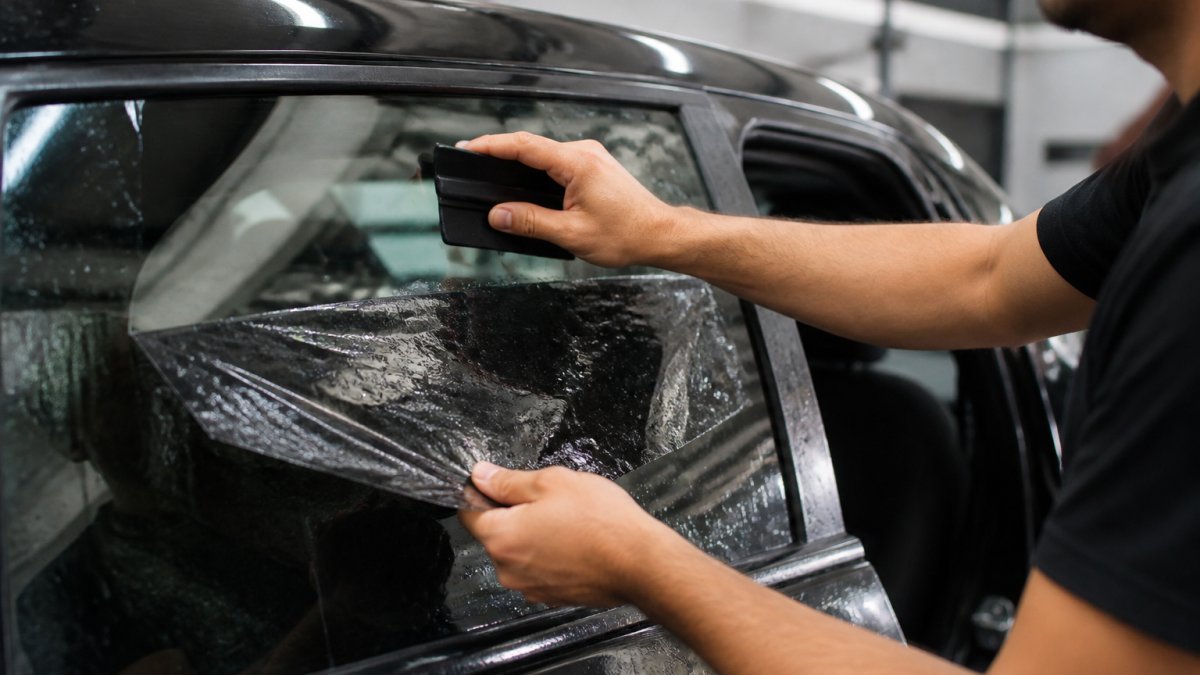
Quick Comparison: Top Window Tints for Heat Rejection
The strongest heat-rejection films today are ceramic and multi-layer optical films, not dyed or metallic tints. Ceramic film uses non-conductive particles to block infrared energy without interfering with phone or GPS signals.
| Film | Best For | Infrared Heat Rejection | UV Protection |
|---|---|---|---|
| 203wraps (professional install) | High-end and collectible cars | Depends on film selected | Depends on film selected |
| XPEL PRIME XR Plus | Maximum heat rejection | Up to 98% | 99% |
| 3M Ceramic IR Series | Balanced daily driving | Ceramic-grade | High |
| LLumar IRX Series | Proven ceramic tech | Ceramic-grade | High |
| SunTek Evolve | Ceramic comparison shoppers | Ceramic-grade | High |
| 3M Crystalline Series | High visibility plus heat control | Strong | High |
| Solar Gard VortexIR | Solid ceramic alternative | Ceramic-grade | High |
Our guide on whether professional window tinting is worth it walks through the long-term value.
1. XPEL PRIME XR Plus: The Infrared Heat Rejection Leader
If heat rejection is your only priority, start here.
Its multi-layer ceramic construction targets the infrared band that carries most of the heat, without the mirror look of older metallic films.
Best for: drivers who want the strongest heat-rejection numbers and full UV protection.
Skip if: you want a specific factory-match shade, since film availability depends on the installer.
Heat rejection and interior fading are two sides of the same coin, and our breakdown of how professional tint prevents interior fading explains the UV side in detail.
2. 3M Ceramic IR Series: Balanced Performance for Daily Drivers
Not every driver needs the most aggressive film. The 3M Ceramic IR Series delivers dependable ceramic heat rejection without pushing legal shade limits. 3M publishes performance data by shade, so ask your installer for the spec sheet for your exact shade before committing.
Best for: commuters who want ceramic performance and a legal, livable shade.
Skip if: you are chasing the single highest infrared number on the market.
3. LLumar IRX Series: Proven Ceramic Technology
LLumar’s IRX line is a ceramic film built for heat reduction and one of the most commonly compared options against 3M. That debate comes down to shade availability and installer preference more than performance gaps. What sets IRX apart is consistency: a long track record and a step up from standard ceramic for hot climates.
Best for: drivers who value a proven brand and broad installer access.
Skip if: you need the absolute highest infrared rejection figure.
4. SunTek Evolve: A Strong Ceramic Contender
SunTek Evolve is a ceramic film that competes directly with the bigger names, delivering infrared rejection and UV protection in a line many installers carry. Evolve wins on value, landing between budget films and premium optical films. The catch: published performance data varies by shade, so verify the numbers for the film you are quoted.
Best for: drivers who want ceramic performance without premium-tier pricing.
Skip if: you want the most documented performance specs available.
5. 3M Crystalline Series: High Visibility with Heat Control
Some drivers want heat rejection without a dark cabin. The 3M Crystalline Series uses multi-layer optical film technology to block heat while keeping visible light transmission high, so the glass stays clear and legal in strict states.
It suits light-colored interiors you want to keep bright, or drivers who prefer a non-tinted look with solar control.
Best for: drivers who want heat control with maximum visibility.
Skip if: your main goal is privacy or a dark look.
6. Solar Gard VortexIR: Another Solid Ceramic Option
Solar Gard VortexIR rounds out the ceramic choices, delivering the infrared rejection and UV protection you expect from a ceramic line.
Think of VortexIR as a dependable alternative when your installer carries Solar Gard rather than XPEL or 3M.
Once you have picked a film, the next step is finding a shop that installs it cleanly. Our guide to high-end automotive window tinting near you covers what to look for in an installer, and you can book a tint installation when you are ready.
Best for: drivers whose trusted installer carries the Solar Gard line.
Skip if: you want the widest published spec comparison.
How to Read Window Tint Heat Rejection Percentages
Heat rejection numbers confuse buyers because films report them differently, and the labels are not interchangeable. Total solar energy rejected, infrared rejection, ultraviolet rejection, and visible light transmission measure four different things, so the only fair comparison is the same metric, measured the same way, at the same shade. Here is what each figure means.
- Visible light transmission (VLT) is the percentage of visible light that passes through the glass and film. A 35% VLT film lets roughly 35% of visible light through. VLT says nothing about heat, it is a light and privacy number, and it is the figure state tint laws regulate.
- Infrared rejection (IRR) is the share of infrared energy the film blocks, usually reported for a specific wavelength band such as 900-1,000 nanometers. Infrared carries a large share of the sun’s heat, so IRR is a useful comfort indicator, but a single-wavelength number can be flattering. A film rated 98% at one wavelength may reject less across the full infrared spectrum.
- Ultraviolet rejection (UVR) is the share of UV radiation blocked. Quality films typically claim 99% or more, and this is the metric that protects skin and keeps dashboards and upholstery from fading. UV is not the same as heat, even though the two are often marketed together.
A film advertised as “99% heat rejection” is usually quoting UV rejection, not total solar energy rejected. Those are very different claims. Ask for the TSER and IRR figures separately, and ask which wavelength band the IRR number refers to.
To compare two films, line up four numbers at the same VLT: TSER, IRR (with its wavelength band), UVR, and VLT. A film quoting 98% IRR at 1,000 nm and one quoting 97% TSER are not comparable, the first describes one slice of the infrared band, the second the whole solar spectrum. TSER is the better single number for cabin comfort; IRR shows how a film targets the heat-carrying part of sunlight.
Two more habits cut through marketing claims:
- Compare at the same shade. A 70% VLT film and a 20% VLT film from the same product line will post different TSER and IRR numbers. Ask for the spec sheet for the exact shade you are buying.
- Ask how the number was measured. Published figures usually come from the manufacturer’s own lab testing, and test methods vary. Independent, apples-to-apples testing across films and glass types is rare, so treat brand claims as a starting point and ask your installer whether they have measured performance on your glass.
Ceramic vs. Carbon Window Tint: Which Blocks More Heat?
Ceramic film blocks infrared heat more effectively than carbon and does not interfere with signals, while carbon offers solid heat rejection at lower cost. For pure heat rejection, ceramic wins; carbon is the value choice on a budget.
In a hot climate, ceramic keeps the cabin cooler under sustained sun and ages without the color shift some dyed films develop. If you park outside daily, ceramic is worth the upgrade.
Legal Window Tint Limits and Visibility Trade-Offs
Every state sets its own visible light transmission limits, and they vary widely, some states allow dark film on rear side windows but restrict front side windows, and windshield tint is the most tightly regulated surface of all. The Insurance Institute for Highway Safety tracks vehicle safety topics, and your state motor vehicle department publishes the enforceable tint percentages.
The trade-off is simple. Darker film means more privacy and glare reduction but lower visibility at night and a higher chance of failing a legal limit. A high-infrared, lighter film often gives you most of the heat benefit without the legal risk.
A few practical rules help you choose a shade you can live with:
- Windshield first. Windshield tint is restricted in most states, and many allow only a clear film or a narrow strip at the top. If heat rejection through the windshield matters to you, ask about a clear, high-TSER film rather than a dark one, it can cut heat without changing VLT.
- Front side windows next. These are the windows you use to see mirrors and cross traffic at night. A lighter ceramic film here preserves night visibility while still rejecting a meaningful share of infrared heat.
- Rear glass is usually the most permissive. Many states allow darker film on rear side and rear windows, which is where a darker shade can pay off for passenger comfort and privacy.
If you want maximum heat rejection without a legal risk, choose a high-TSER film at a legal VLT rather than a dark film at the edge of the limit. Heat rejection comes from the film’s construction, not its darkness, so a lighter ceramic film can outperform a darker dyed film on comfort while staying inspection-friendly.
Test night visibility before committing to a dark shade: sit in a vehicle with that film after dark, or ask your installer for a sample on a door window, and check how clearly you see pedestrians, cyclists, and lane markings in the mirrors. Drivers who travel at night or in rain often regret the darkest legal shade, and the heat-rejection difference between 35% and 20% VLT is usually smaller than the night-visibility difference. Legal limits are a floor, not a target: the best shade is the lightest film that meets your heat-rejection goal, preserving the most visibility and carrying the least legal risk.
Your Next Step Toward a Cooler Cabin
Choosing the right film is only half the job. A premium film installed poorly will peel, bubble, or underperform, so installation quality matters as much as the spec sheet.
We bring over a decade of experience, a meticulous approach to every vehicle, and a commitment to long-lasting protection that shields your interior from heat and UV damage. Get started with 203wraps and give your car the heat rejection it deserves.
Frequently Asked Questions
What type of tint reduces heat the most?
Ceramic window tint typically offers the highest heat rejection because it uses nano-ceramic particles to block infrared heat without darkening the glass. Products like XPEL PRIME XR Plus claim up to 98% infrared heat rejection, while 3M Crystalline and LLumar IRX also deliver strong performance. Carbon tint provides good heat reduction at a lower cost but generally falls short of ceramic films in total solar energy rejection.
Is ceramic or carbon tint better for heat rejection?
Ceramic tint outperforms carbon tint for heat rejection. Ceramic films are engineered to target infrared radiation, the primary source of heat gain, and can reject a higher percentage of total solar energy. Carbon films absorb heat but may not dissipate it as effectively. For maximum comfort in hot climates, ceramic is the better choice, though carbon remains a solid budget-friendly option.
Does darker window tint always reject more heat?
No, darker tint does not automatically mean better heat rejection. Visible light transmission (VLT) measures darkness, while heat rejection depends on the film’s ability to block infrared and ultraviolet rays. A high-performance ceramic film in a lighter shade can reject more heat than a dark dyed film. Always check the total solar energy rejected (TSER) specification rather than assuming darker is cooler.
What is a good window tint heat rejection percentage?
A quality ceramic tint typically rejects 50% to 70% of total solar energy, with premium films reaching higher infrared rejection (up to 98%). Look for TSER ratings above 50% for noticeable cooling benefits. Keep in mind that heat rejection percentage varies by film shade and product line, so compare specifications across brands like LLumar, 3M, and XPEL before deciding.
Are there legal limits on window tint darkness?
Yes, every state sets legal window tint limits, usually measured by visible light transmission (VLT). Front side windows often require 35% to 50% VLT, while rear windows may allow darker shades. Windshields typically have stricter rules. Check your state’s regulations before installing tint, and choose a film that balances heat rejection with legal compliance and visibility.
