
Last Updated: November 12, 2026
Quick Summary
The best paint protection film brands in 2026 are XPEL for self-healing and clarity, STEK for gloss and hydrophobic performance, SunTek for installer-friendly handling, 3M for scratch resistance and its broad installer network, and Llumar and United Auto Film for value coverage. Installation quality often matters more than the brand, so pick the film tier that matches your car and climate, then choose a skilled installer.
- XPEL is often cited for its self-healing top coat, which recovers from light scratches with heat.
- STEK is known for gloss and hydrophobic top coats that make water bead and roll off.
- 3M’s installer network is widely available, making certified installers easier to find if you travel or move.
- Full-front coverage protects the hood, fenders, bumper, and mirrors, where most road debris lands.
- Hand washing with a pH-neutral soap and a soft mitt is the maintenance baseline.
Table of Contents
- How We Ranked the Best Paint Protection Film Brands for 2026
- Quick Comparison: Top Paint Protection Film Brands at a Glance
- 1. XPEL: The Benchmark for Self-Healing and Clarity
- 2. STEK: Premium Gloss and Hydrophobic Performance
- 3. SunTek: Balanced Durability and Installer-Friendly Handling
- 4. 3M: Proven Scratch Resistance and Broad Installer Network
- 5. Llumar: Solid Value with Reliable Warranty Coverage
- 6. United Auto Film: The Value Pick for Full-Front Coverage
- How to Choose the Right Paint Protection Film
- The Bottom Line on PPF Brands
- Frequently Asked Questions
How We Ranked the Best Paint Protection Film Brands for 2026
Choosing among the best paint protection film brands in 2026 comes down to four things: film construction, installer skill, warranty terms, and how the film holds up after years of sun, salt, and road debris. You can also explore our paint protection film service to see what we offer behind these rankings. Ranking brands by what installers see in the shop, rather than by marketing sheets, gives a more practical picture of how each film performs.
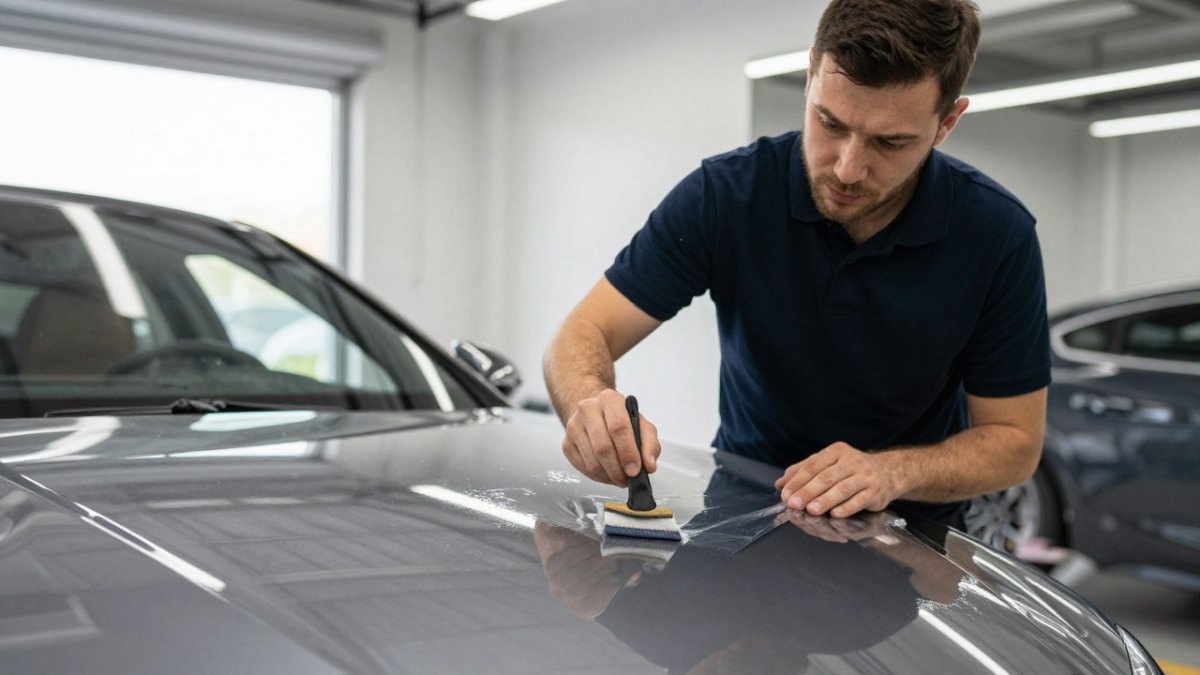
Paint protection film is a clear urethane layer applied over painted panels to absorb stone chips, road debris, and scratch damage before they reach the paint. The film, not the paint, takes the hit.
Our scoring weighs four factors equally:
- Film thickness and construction, how much impact the top coat and urethane layers absorb
- Optical clarity and gloss, whether the finish reads as paint or as plastic
- Self-healing and hydrophobic performance, how well light scratches vanish and water beads
- Warranty coverage and installer network, what is actually covered and who can honor it
One caveat shapes everything below: installation quality often matters more than the badge on the box. A premium film applied poorly will lift at the edges and trap debris. A mid-tier film applied by a skilled hand can outperform it. That is why we score brands alongside the installers who carry them.
Quick Comparison: Top Paint Protection Film Brands at a Glance
No single brand wins every category. The table below summarizes where each name earns its place, based on how the films behave in practice and what each brand is known for among installers.
| Brand | Strength | Watch For | Best For |
|---|---|---|---|
| XPEL | Self-healing, clarity | Premium pricing | Enthusiasts wanting top clarity |
| STEK | Gloss, hydrophobics | Higher material cost | Owners chasing a wet-look finish |
| SunTek | Handling, balance | Fewer top-tier options | Installers wanting predictable stretch |
| 3M | Scratch resistance, network | Film can feel stiffer | Broad availability and backing |
| Llumar | Value, warranty | Less brand cachet | Reliable coverage at a fair price |
| United Auto Film | Value coverage | Thinner spec sheet | Full-front protection on a budget |
Before you compare quotes, understand what drives the number. Film coverage area, vehicle complexity, and prep work all move the final figure, and our guide to paint protection film installation pricing factors breaks down each one.
1. XPEL: The Benchmark for Self-Healing and Clarity
XPEL is often cited for its self-healing top coat, which recovers from light scratches with heat, and for its optical clarity.
Where it falls short is cost. XPEL sits in the premium tier, and the material price reflects it. If you are protecting a daily commuter, you may not need the top of the range. If you own a collectible with a special finish, the clarity argument is hard to beat. For a closer look at whether the self-healing claim justifies the premium, read are self-healing paint protection films worth it.
Watch out: self-healing film still needs proper care. Abrasive polishes and automatic brush washes can dull the top coat and reduce the healing effect over time.
Best for: owners of high-end or exotic vehicles who want maximum clarity.
Skip if: budget is the primary driver and the car sees mostly highway miles.
2. STEK: Premium Gloss and Hydrophobic Performance
STEK is known for its gloss and hydrophobic top coats, which cause water to bead and roll off the surface.
Availability can vary, so ask your installer whether they carry the line before you choose it.
Yellowing is the concern we hear most from owners weighing premium film. Modern top coats resist UV far better than early films did, but care still matters. Our article on how to prevent yellowing on paint protection film covers the habits that keep clear film looking clear.
Best for: owners who want maximum gloss and easy-clean behavior.
Skip if: your local installer does not carry the line and you want a single-shop experience.
3. SunTek: Balanced Durability and Installer-Friendly Handling
SunTek is often described as a film with predictable stretch and clean wrapped edges around curves.
Buyers seeking the highest level of gloss may want to compare premium options across brands.
Best for: drivers who value a clean, reliable install over chasing the last bit of gloss.
Skip if: you are protecting a show car where every reflection counts.
4. 3M: Proven Scratch Resistance and Broad Installer Network
3M is known for scratch-resistant film, and its installer network is widely available. If you travel or move, it may be easier to find a certified installer.
Some installers note that this film can feel stiffer on tight curves, which a skilled installer can manage. Scratch resistance is the film’s main strength.
Best for: owners who want proven protection and easy access to certified installers.
Skip if: you want the softest, most conformable film for a complex body shape.
5. Llumar: Solid Value with Reliable Warranty Coverage
Llumar is generally positioned in the value-to-mid tier, and the brand is known for window film.
Buyers prioritizing gloss may prefer premium-tier films for a show-quality finish.
Best for: daily drivers where reliable coverage matters more than show-car gloss.
Skip if: you are protecting a collectible and want the highest clarity available.
6. United Auto Film: The Value Pick for Full-Front Coverage
When comparing value options for full-front coverage, ask your installer to quote by panel count and vehicle complexity rather than by brand alone. Pricing depends on coverage area, vehicle complexity, and prep work, and 203wraps can provide a current quote.
What separates a value film from a premium film is rarely the urethane alone. It is the top coat, the adhesive, and the quality-control tolerances.
Warranty is where value brands demand the most scrutiny. Most quality films carry multi-year warranties, but the length matters less than the exclusions.
Full-front coverage protects the hood, fenders, bumper, and mirrors, which is where most road debris lands. For owners ready to move on a value pick, you can book an installation appointment with our team.
Watch out: compare total installed cost, not material cost alone, since prep and labor affect the final price.
Best for: commuters who want full-front protection at a lower entry point.
Skip if: you want the thinnest, most conformable premium film for a complex exotic body, or you need a transferable warranty with broad coverage.
How to Choose the Right Paint Protection Film
Start with coverage, then work backward to brand. Full-front coverage handles the impact zones. Full-body coverage protects more of the vehicle than full-front coverage. Once the film tier is set, consider how a complementary surface treatment fits the same use pattern, with Blue Ridge – Mobile Detailing as a next step in weighing paint protection options.
Check these five factors before you commit:
- Thickness: thicker film absorbs more impact but can be harder to wrap on tight curves. Ask your installer for the film’s specifications and compare them across options.
- Finish: gloss film preserves the factory look; matte film changes it. Matte films require special care and cannot be polished, so confirm the maintenance routine before you choose.
- Warranty: read the exclusions, not just the length. Edge lift, improper care, automatic brush washes, and chemical stains are commonly excluded. Confirm whether the warranty is transferable and who honors it if your installer closes.
- Installer: ask for wrapped edges and a clean prep process, since prep drives adhesion. A skilled installer can make a mid-tier film outperform a premium film applied poorly.
- Climate: coastal salt spray and gravel-heavy highways demand more coverage. In high-sun regions, UV resistance and yellowing resistance matter more than gloss.
How long does paint protection film last? Most quality films carry multi-year warranties, and real-world life depends on sun exposure and care. Film that is garaged and hand-washed generally lasts longer than film that sits outside and runs through brush washes.
Maintenance after installation is where many owners get surprised. Hand washing with a pH-neutral soap and a soft mitt is the baseline. Avoid abrasive polishes, which can dull the top coat and reduce self-healing. For stain removal, use a dedicated film cleaner rather than a solvent, and remove bird droppings and tree sap promptly because they can etch the surface.
Watch out: a warranty that sounds long on paper can be hollow if it excludes the failures you are most likely to see, such as edge lift or staining, so read the exclusions before you compare headline terms.
The Bottom Line on PPF Brands
The best paint protection film brands in 2026 are not interchangeable, but the gap between them is smaller than the gap between a good install and a bad one. Each brand has different strengths in clarity, gloss, handling, and availability, so comparing options for your vehicle is worthwhile.
Our advice: pick the film tier that matches your car and your climate, then choose the installer who will wrap the edges and prep the surface properly. That combination protects your paint far better than any single brand name.
Protecting a high-end or collectible vehicle starts with the right film and the right hands applying it. At 203wraps, our certified technicians specialize in high-end and collectible automobiles, and we are committed to clean installs and premium finishes that shield your paint from road debris. Get started with 203wraps and protect your investment with a finish that lasts.
Frequently Asked Questions
Who makes the best paint protection film?
There is no single best brand for every driver. Many premium films perform well when installed by a skilled technician, and the right choice depends on your priorities. Compare options with a certified installer. Always request quotes from certified installers and inspect a sample of the film before committing.
Is 3M or XPEL PPF better?
Both brands sit in the premium tier, and real-world performance differences are small when installation is done correctly. Both are premium-tier films, and the deciding factor is usually the installer’s skill and the warranty terms available through that installer. The deciding factor is usually the installer’s skill and the warranty terms each brand offers through that installer. Compare quotes side by side, ask about film thickness, and check warranty exclusions before choosing.
How long does paint protection film last?
Paint protection film lifespan depends on film thickness, UV resistance, climate, and maintenance. Longevity depends on film thickness, UV resistance, climate, and maintenance. Films with strong UV resistance resist yellowing longer, and self-healing top coats help recover from light scratches. In harsh climates with road salt and gravel, expect the lower end of that range unless you follow the installer’s care guidelines. Warranties typically cover yellowing, bubbling, and cracking but may exclude damage from accidents or improper washing.
Does paint protection film protect against rock chips?
Paint protection film is designed to absorb impact from stone chips and road debris. Film thickness matters: thicker films generally handle heavier debris better, but they can be harder to install cleanly around curves. Full-front coverage, which includes the hood, fenders, mirrors, and bumper, gives the best protection for daily commuters facing gravel and salt spray. For extra scratch resistance, look for films with a self-healing top coat.
Is paint protection film better than ceramic coating?
They serve different purposes. Paint protection film provides physical impact protection against rock chips and scratches, while ceramic coating adds chemical resistance, hydrophobicity, and gloss but does not stop physical damage. Some owners combine both approaches, and 203wraps can advise on which options suit your vehicle. If your priority is preventing chips from road debris, PPF is the better choice. If you want easier maintenance and a slick finish, ceramic coating alone may suffice.
