
Table of Contents
- Paint Protection Film Installation Cost Overview
- Price Ranges by Coverage Package
- How Vehicle Size and Body Style Affect PPF Hood Cost
- Film Material, Brand, and Product Tier Impact on Pricing
- Paint Correction Before PPF: Cost and Necessity
- Paint Protection Film vs Ceramic Coating: Pricing and Value
- Professional Installation vs DIY: Cost and Quality Tradeoffs
- What to Expect in an Itemized PPF Quote
- Frequently Asked Questions
Last Updated: October 18, 2026
Paint Protection Film Installation Cost Overview
Paint protection film installation pricing factors depend on multiple variables that directly affect your final quote. At 203wraps, we’ve helped luxury and exotic car owners understand what drives PPF costs so they can make informed decisions about protecting their investment.
The cost of paint protection film installation ranges widely based on coverage area, film quality, vehicle complexity, and labor intensity. Rather than a one-size-fits-all price, your quote reflects the specific work required for your vehicle’s paint condition, body style, and the protection level you choose.
Understanding these pricing factors helps you evaluate quotes accurately and avoid surprises. A low estimate might indicate corner-cutting on preparation or inferior film material. A premium quote from a certified installer like 203wraps reflects meticulous surface prep, premium film selection, and expert execution that preserves your vehicle’s finish for years.
Price Ranges by Coverage Package
PPF installation pricing divides into three main coverage tiers, each protecting different areas of your vehicle from road debris and environmental damage.
Partial Front Coverage
Partial front coverage protects your vehicle’s highest-impact zones: the hood, front bumper, fenders, and side mirrors. This package targets areas most vulnerable to stone chips and road debris during daily driving, especially on highways like I-95.
Partial front coverage typically costs less than full front protection because it covers fewer panels. The exact price depends on your vehicle’s hood size, bumper contours, and whether you want edge wrapping on fenders.
This coverage makes sense for commuters who want essential protection without the premium price of full-vehicle coverage. Many owners start with partial front and expand later.
Full Front Coverage
Full front coverage extends beyond the hood and bumper to include the entire front end: both fenders, full hood, front bumper, side mirrors, and sometimes the roof line. This package provides comprehensive protection for all forward-facing surfaces that encounter road hazards.
Full front coverage costs more than partial front because it covers substantially more area and includes complex curved panels on fenders and bumpers. The additional labor and film material add up quickly.
Many owners choose full front coverage as a balance between protection and investment. It shields the areas most exposed to damage while remaining more affordable than full-vehicle coverage.
Full Vehicle Coverage
Full vehicle coverage wraps your entire car in protective film: hood, roof, all four fenders, doors, side mirrors, bumpers, and sometimes door handles and trim pieces. This maximum protection package is popular among exotic car owners and collectors who want comprehensive defense against all environmental threats.
Full vehicle coverage represents the highest investment because it requires the most film material and labor hours. Complex body shapes, curved panels, and detailed trim work extend installation time significantly.
Despite the premium cost, full vehicle coverage offers complete peace of mind. Your paint stays protected from stone chips, salt spray, UV damage, and minor scratches across every exposed surface.
How Vehicle Size and Body Style Affect PPF Hood Cost
Vehicle size directly impacts paint protection film installation pricing factors. A large SUV hood requires more film material than a compact sedan hood. A truck bed and extended roof also demand additional film and labor compared to a standard passenger car.
Body style complexity affects labor intensity. Curved panels require more skill to apply film smoothly without wrinkles or air bubbles, which extends installation time.
Panel geometry matters too. Bumpers with aggressive angles and undercuts demand precision work.
Your vehicle’s make and model influences pricing because installers price based on known complexity. A 2023 Mercedes with exotic paint finishes requires different handling than a standard truck.
Film Material, Brand, and Product Tier Impact on Pricing
Paint protection film comes in multiple grades, each with different price points and performance characteristics. Entry-level films may yellow over time or lack advanced self-healing properties. Premium films maintain clarity longer and resist discoloration better.
Self-healing film technology offers significant long-term value. These films use thermoplastic urethane that flexes and recovers from minor scratches and swirl marks when exposed to heat from the sun. Standard films lack this capability and show damage more visibly.
Films with hydrophobic properties repel water and dirt, reducing maintenance needs. This premium feature appeals to owners who want minimal upkeep on their protected surfaces.
Film thickness varies by manufacturer and tier. Thicker films provide better protection and durability than thinner options. The thickness affects both material cost and installation difficulty, thicker film requires more skill to apply without creasing.
Brand reputation influences pricing. Well-known film manufacturers with proven track records are trusted for their quality and durability. Lesser-known brands may offer fewer performance guarantees.
Paint Correction Before PPF: Cost and Necessity
Your vehicle’s current paint condition directly affects PPF installation costs. If your paint has swirl marks, scratches, oxidation, or contamination, professional paint correction before PPF application adds to your total investment.
Paint correction removes surface imperfections so your paint looks pristine under the protective film. Many owners don’t realize that PPF magnifies existing paint flaws, swirl marks become more visible under clear film, and scratches remain visible after installation. Correcting the paint first ensures your vehicle looks flawless under protection.
The cost of paint correction depends on damage severity. Some vehicles need only light cleaning and decontamination, while others require extensive machine polishing.
Many professional installers recommend assessing paint condition before quoting PPF work. At 203wraps, we evaluate your paint’s current state and recommend correction if it improves the final result. Skipping this step saves money upfront but may disappoint you when you see imperfections magnified under the film.
Paint Protection Film vs Ceramic Coating: Pricing and Value
Paint protection film and ceramic coating serve different purposes and carry different price tags. PPF provides physical protection against impact damage like stone chips and road debris. Ceramic coating adds a hydrophobic layer that repels water and reduces maintenance but doesn’t shield against impact.
PPF requires professional installation, premium materials, and substantial labor. A ceramic coating application doesn’t offer the same damage protection. Many owners use both: ceramic coating over PPF for enhanced water beading and easier cleaning.
The value proposition differs between the two. PPF protects your paint’s structural integrity and resale value by preventing damage. Ceramic coating enhances appearance and reduces washing frequency. For daily commuters on rough roads like I-95, PPF addresses real hazards. For owners wanting easier maintenance, ceramic coating alone may suffice.
Consider your vehicle’s use case when choosing. Daily commuters in harsh climates benefit most from PPF’s impact protection. Weekend drivers in mild conditions might prioritize ceramic coating’s ease of maintenance and aesthetic enhancement.
Professional Installation vs DIY: Cost and Quality Tradeoffs
DIY paint protection film installation eliminates labor expenses. Film-only costs run lower than the complete professional package, which includes surface preparation, expert application, and warranty coverage.
However, DIY installation carries substantial risks. PPF requires meticulous surface preparation, any dust, debris, or contamination trapped under the film creates permanent flaws. The application demands precision; wrinkles, air bubbles, and misalignment become obvious after curing and are difficult to fix without removing and reapplying the film.
Professional installation from certified technicians like 203wraps guarantees clean results. We invest hours in surface preparation, use specialized tools for bubble removal, and handle complex curves with expertise that DIY attempts rarely match. Our installation quality directly affects your film’s longevity and appearance.
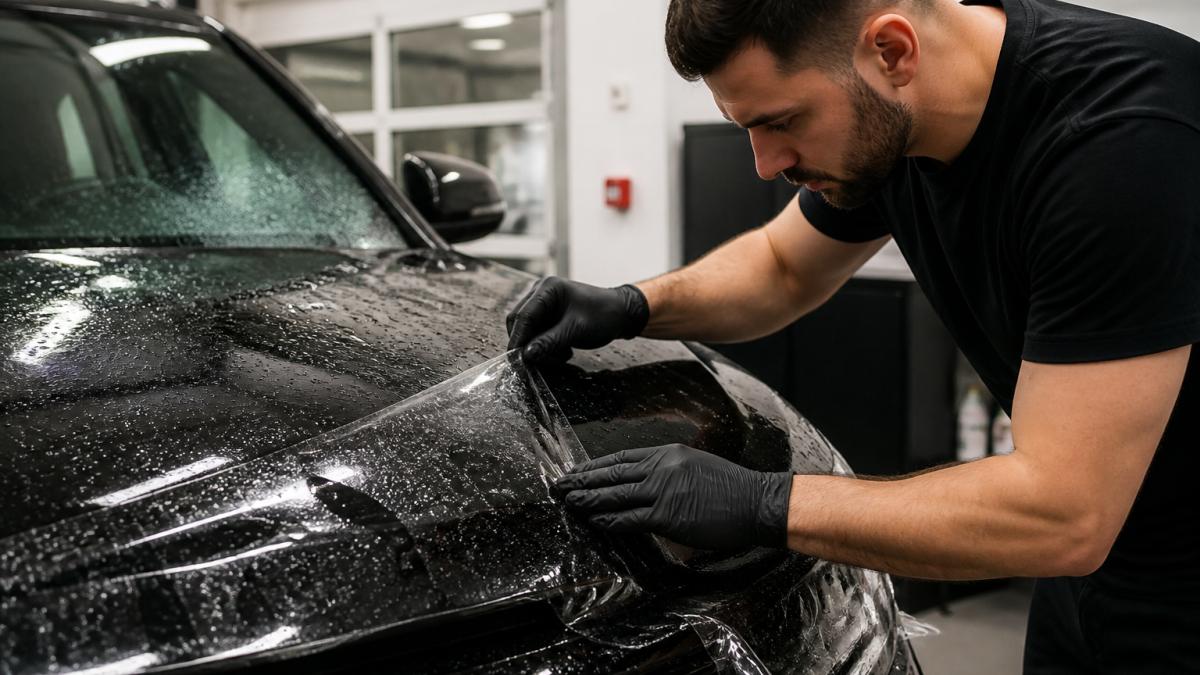
The quality gap is significant. Professional PPF installation provides expertise, proper materials, a controlled environment, and warranty protection. A botched DIY installation often requires professional removal and reinstallation.
Many owners attempt DIY to save money only to regret the decision when imperfections become visible. The film’s permanent placement on your vehicle makes installation quality critically important. Professional installation protects your investment better than cutting corners upfront.
What to Expect in an Itemized PPF Quote
A detailed quote from a professional PPF installer breaks down costs into specific categories so you understand exactly what you’re paying for.
Film Material Costs represent the actual PPF product. Your quote should specify the film brand, thickness, and type (self-healing, standard, etc.). Premium films cost more than entry-level options but offer better longevity and performance.
Surface Preparation Labor covers the time spent cleaning, decontaminating, and correcting your paint before film application. Proper prep determines installation success. A transparent quote itemizes this separately so you see its value.
Installation Labor reflects the technician time spent applying film to your vehicle’s surfaces. Complex body styles with curved panels cost more in labor than simple flat surfaces. Installation time varies by coverage area, partial front takes fewer hours than full vehicle coverage.
Edge Wrapping and Trim Work adds cost if you want film wrapped around panel edges or applied to trim pieces. This detail work requires extra precision and time but provides comprehensive protection and a finished appearance.
Warranty Coverage varies by installer and film quality. Understanding warranty terms helps you evaluate the true value of different quotes.
| Quote Component | What It Includes | Why It Matters |
|---|---|---|
| Film Material | PPF product, brand, thickness, type | Determines durability and clarity longevity |
| Surface Prep | Cleaning, decontamination, paint correction | Ensures flawless final appearance |
| Installation Labor | Technician time applying film | Reflects complexity and installer expertise |
| Edge Wrapping | Film around panel edges and trim | Provides finished look and complete protection |
| Warranty | Coverage period and terms | Protects your investment against defects |
When comparing quotes from different installers, examine the itemization carefully. Two quotes might differ dramatically in what’s included. A lower quote might skip paint correction or use budget film; a higher quote might include premium materials and comprehensive warranty coverage.
At 203wraps, our quotes detail every component so you understand your investment. We use certified application techniques and premium materials that justify our pricing. Our team’s decade of experience protecting high-end and collectible vehicles means we deliver results that preserve your paint’s condition and your vehicle’s resale value.
Understanding paint protection film installation pricing factors helps you to make smart decisions about protecting your vehicle. The variables, coverage area, film quality, vehicle complexity, and professional expertise, all contribute to your final cost. When you’re ready to protect your investment with expert PPF installation from certified technicians, contact 203wraps to discuss your vehicle’s specific needs and get a detailed quote that reflects our commitment to flawless results and long-lasting protection.
Frequently Asked Questions
How much does it cost to get a PPF hood?
Hood coverage pricing depends on vehicle size, paint condition, and film quality. Most professional installations charge separately for labor and film material. Request a detailed quote from a certified installer who can assess your specific vehicle and paint condition before providing an accurate price.
What factors affect paint protection film installation pricing?
Key pricing factors include vehicle size and body style, film material and brand tier, paint condition requiring prep work, coverage area selected, installation complexity from curved panels and seams, and regional labor rates. Vehicles with exotic paint finishes or high-impact areas requiring edge wrapping typically cost more. Professional installers charge based on these variables, so pricing varies significantly between vehicles and shops.
Is paint protection film worth the cost compared to ceramic coating?
PPF and ceramic coating serve different purposes. PPF protects against physical damage like stone chips and road debris, while ceramic coating protects against chemical damage and UV fading. Many owners choose PPF for high-impact areas (hood, bumper, fenders) and ceramic coating for the rest of the vehicle. PPF provides superior protection against mechanical damage, making it ideal for daily commuters and luxury vehicles exposed to harsh conditions.
Does full-car PPF cost more than partial coverage?
Yes, full-vehicle PPF requires more material and labor time than partial coverage. Partial front coverage typically includes the hood, bumper, and fenders, while full-car coverage extends to side mirrors, rocker panels, door edges, and rear panels. Most owners start with partial front coverage to protect high-impact areas, then upgrade to full coverage later if desired.